
A herniated disc may be in your lower back or neck but rarely in the mid back region. Back or neck pain: Is it a herniated disc? Should it be operated on?
Pains associated with a herniated disk follow the course of the nerve affected by the hernia.
If it is in your neck, there may be symptoms in the neck, shoulder, shoulder blade, or hand. If it is in the lower back, the symptoms will likely descend to the back, pelvis, buttock, leg or feet. Pain, but also numbness, tingling, burning, electric shock, muscle weakness are also possible.
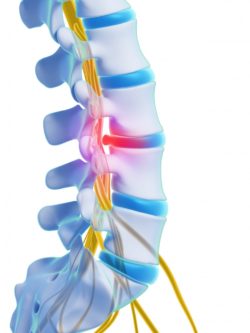
A disc herniation is caused by a shift of the material inside the disk deforming it and making it protrude. The discs are cushions located between each of the vertebrae. The main causes of herniated discs are:

A sudden shock causing a sharp pain. Sudden movements, yes, but most often an accumulation of harmless efforts done the wrong way. Your lifestyle makes a big difference.

Arthrosis (osteoarthrosis) is a sneaky problem that develops over time without being noticed at first. Contrary to popular belief, Arthrosis is not specifically related to aging; it exists at all age levels and consists of a degradation of the cartilage and of the articular mechanics.

Staying long hours in a sitting position at the office, at home or on a long drive can trigger hernias in the long run.

Tissues are affected by tobacco and are less resistant. Obesity creates premature tissue wear. Poor nutrition affects the lifespan of tissues and their ability to regenerate. All of these factors by themselves won’t usually cause herniation, but in the presence of an other factor mentioned, they will.
If you suspect a herniated disc, a visit to a health professional is required. Several conditions and diseases can mimic the symptoms of a hernia: tumor, diabetes, shingles, infection, Guillain-Barré syndrome, neurofibromatosis, etc.. An early diagnosis will allow a better management of your problem. The doctor of chiropractic, because of his university education (first cycle doctorate) totaling nearly 5000 hours, is qualified to diagnose and treat herniated discs.
Back surgery is always dangerous and should only be undertaken as a last resort when more conservative approaches, such as chiropractic, have been tried.
© 2026 Clinique Dr Montagne, Chiropraticien Montréal

*Includes:

