Tennis elbow, or lateral epicondylitis, is an injury located in the elbow joint on the external face of the arm which affects 1 to 3% of the population.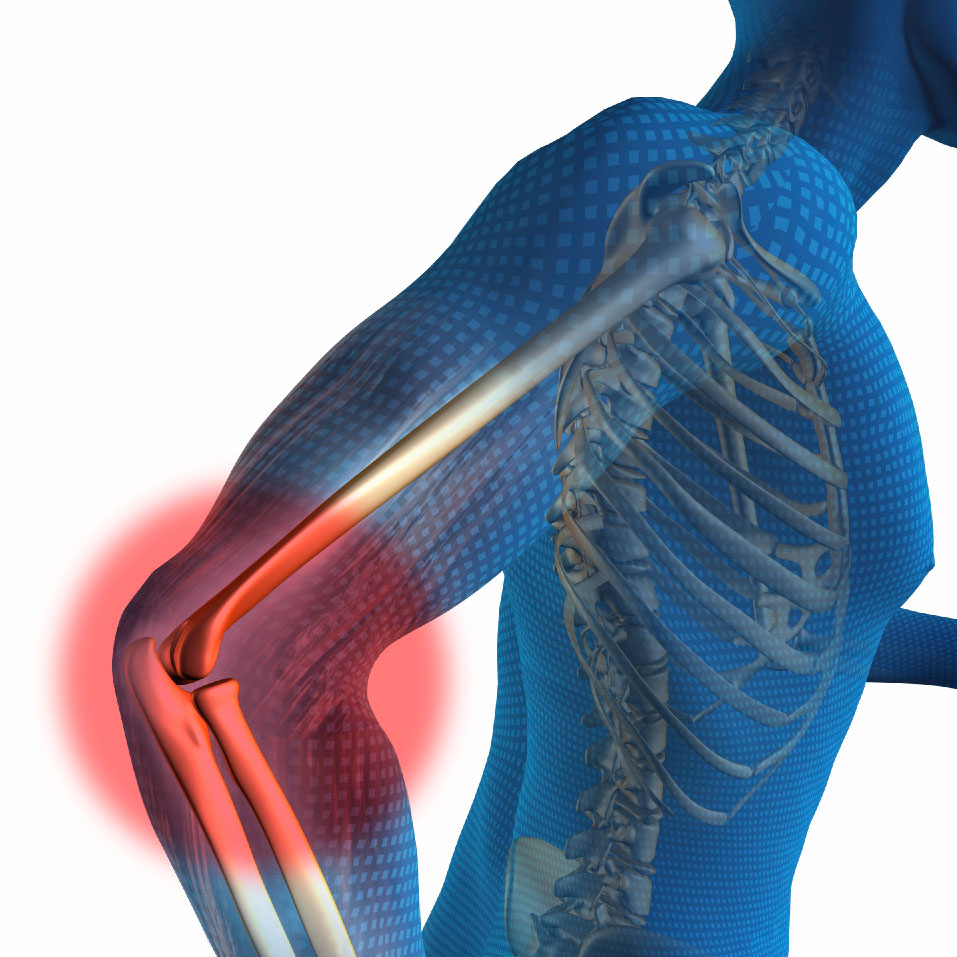 It is due to inflammation caused by overwork, trauma or stress on the tendon that connects the muscles of the forearm to the bone of the elbow.
This injury is generally associated with tennis players, over 50% of whom are affected. Other conditions of “overwork” such as carpal tunnel syndrome, may also cause epicondylitis by repetitive forearm use in activities such as cooking, painting and sanding. The pain, once established, can last for weeks or months, and be aggravated by all movements involving the elbow region. People aged between 40 and 50 are more likely to be affected by this condition.

The tennis elbow comes from micro tendon tears attached to the muscle controlling the movements of the hand and wrist. In general, an abnormal mechanic of the elbow joint or the shoulder or even the neck may be at the root of the problem. Unlike muscle, the tendon cannot stretch. Composed of solid fibers, it has the appearance of a rope. This is why excessive muscle stress can weaken it during violent and jerky movements.
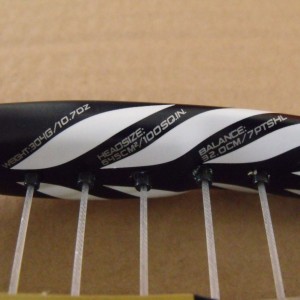 In order to avoid injuries to the elbow, the excessive force transmitted during the impact with the ball has to be reduced. To do this:
1) Reduce the tension of the strings.
2) Find a more flexible racket that absorbs impact better.
3) Get a racket with a larger head.
4) Increase the diameter of the handle using non-slip tape.
These tricks can slow your game. However, it is important to allow time for rest and recovery so your body can regenerate properly. Playing tennis is above all fun when without pain.
At first ice and rest are often recommended but are not always sufficient. Despite the lack of scientific evidence demonstrating the long-term benefits of injecting corticosteroids (cortisone), its use is common. This treatment appears to provide a short-term benefit, but has little long-term effect, and the recurrence rate is high. Considering the known side effects associated with steroids, the usefulness of this treatment is debatable. It is necessary to restore muscle flexibility and strength, more specifically at the level of the rotator cuff and the wrist extensors. In addition, it is necessary to correct the postures and movements that create these inflammations.

If the problem tends to persist or come back with activities, it is important to consult a health professional. A chiropractor can help you restore the optimal mechanic of your joint and offer you exercises to reduce the risk of injury in the future.

Sources:1. Association chiropratique du Québec, Canadian Chiropractic Association, American Chiropractic Association, Canadian memorial Chiropractic College.2.Regan W, Wold LE, Conrad R, Morrey BF. Microscopic histopathology of chronic refractory lateral epicondylitis. Am J Sports Med. 1992;20:746.3.Grundberg AB, Dobson JF. Percutaneous release of the common extensor origin for tennis elbow. Clin Orthop.2000;376:137–140.4.Smidt N, Assendeft WJ, Arola H, Malmivaara A, Greens S, Buchbinder R, van der Windt DA, Bouter LM. Effectiveness of physiotherapy for lateral epicondylitis: a systematic review. Ann Med. 2003;35(1):51–62.5.Smidt N, Assendelft WJ, van der Windt DA, Hay EM, Buchbinder R, Bouter LM. Corticosteroid injections for lateral epicondylitis: a systematic review. Pain. 2002;96(1–2):23–40.
© 2026 Clinique Dr Montagne, Chiropraticien Montréal

*Includes: