You were told that you had arthritis or maybe it was osteoarthritis? In any case you have pain and you do not know what to do
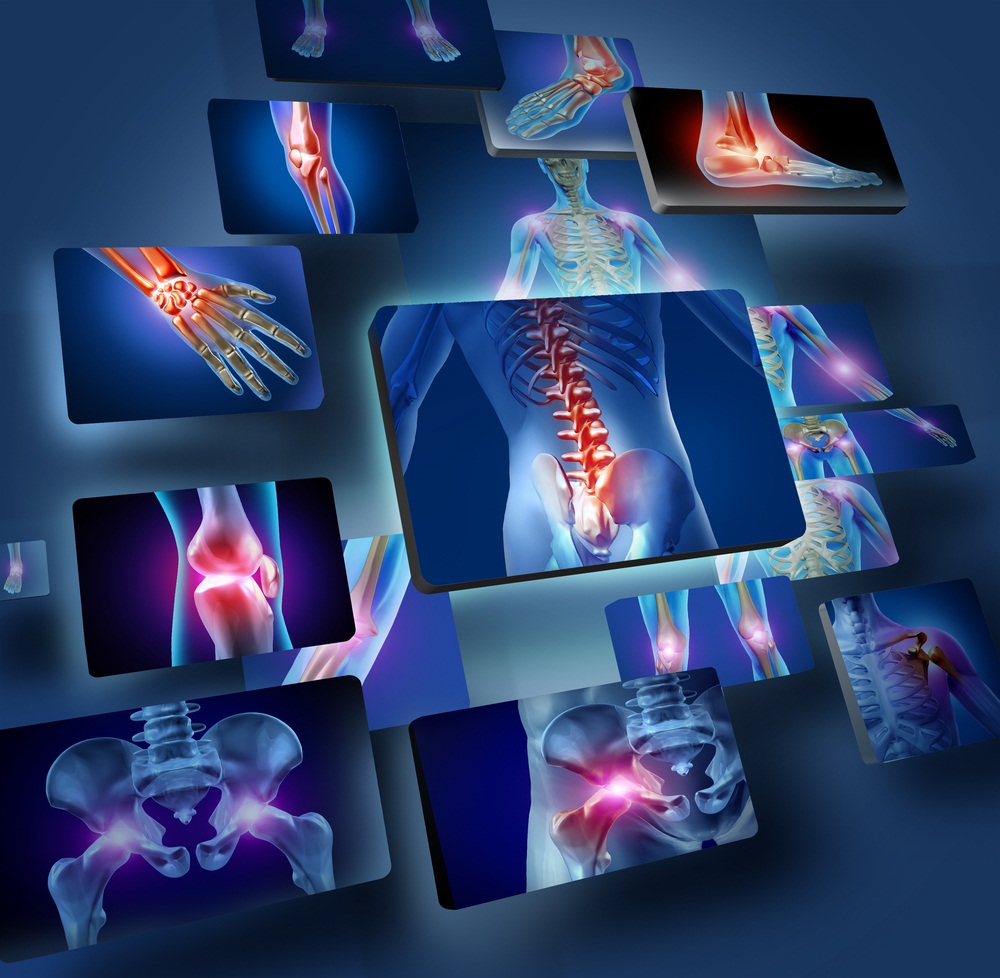
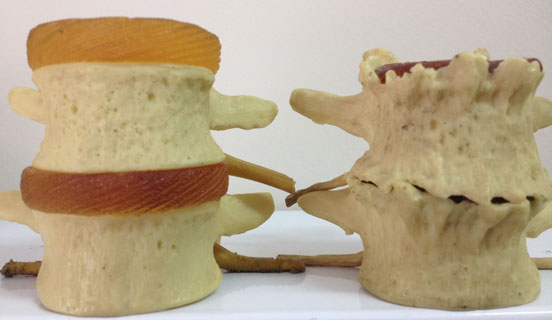
Osteoarthritis is a disease that is said to be mechanical, that is, the cartilage is altered largely because of wear. The longer this wear lasts, the more osteoarthritis is present and advanced. Because of this we will see more osteoarthritis in older persons. But we must be careful with osteoarthritis, it is not a disease directly related to aging, it is mainly a mechanical destruction. Osteoarthritis is thus seen at all ages.
Arthritis is an inflammatory disease of the joint mainly because of a secretion of substances, called quinines. Quinine will cause destruction of the joint. Arthritis is also seen at all ages depending on the kind of arthritis involved
Your healthcare professional is obviously the person most likely to do a differential diagnosis between osteoarthritis and arthritis by his examinations. The distinction and the precise diagnosis of osteoarthritis or arthritis are important because the chiropractic treatment will differ according to it.
As a general rule
Will hurt when you tax your joint mechanically, when you walk, when you run, when you make some efforts.
On the other hand, will hurt you at night and wake you up often in the morning in the second part of the night. Arthritis will sometimes be improved by a little effort.

Osteoarthritis most commonly affects the lumbar vertebrae (lower back) and cervical (neck), hips and knees. Osteoarthritis is a sign of abnormal mechanics and / or joint restriction. The goal of chiropractic is to restore the mechanics and eliminate joint restrictions. The regeneration of the cartilage will then be accelerated.
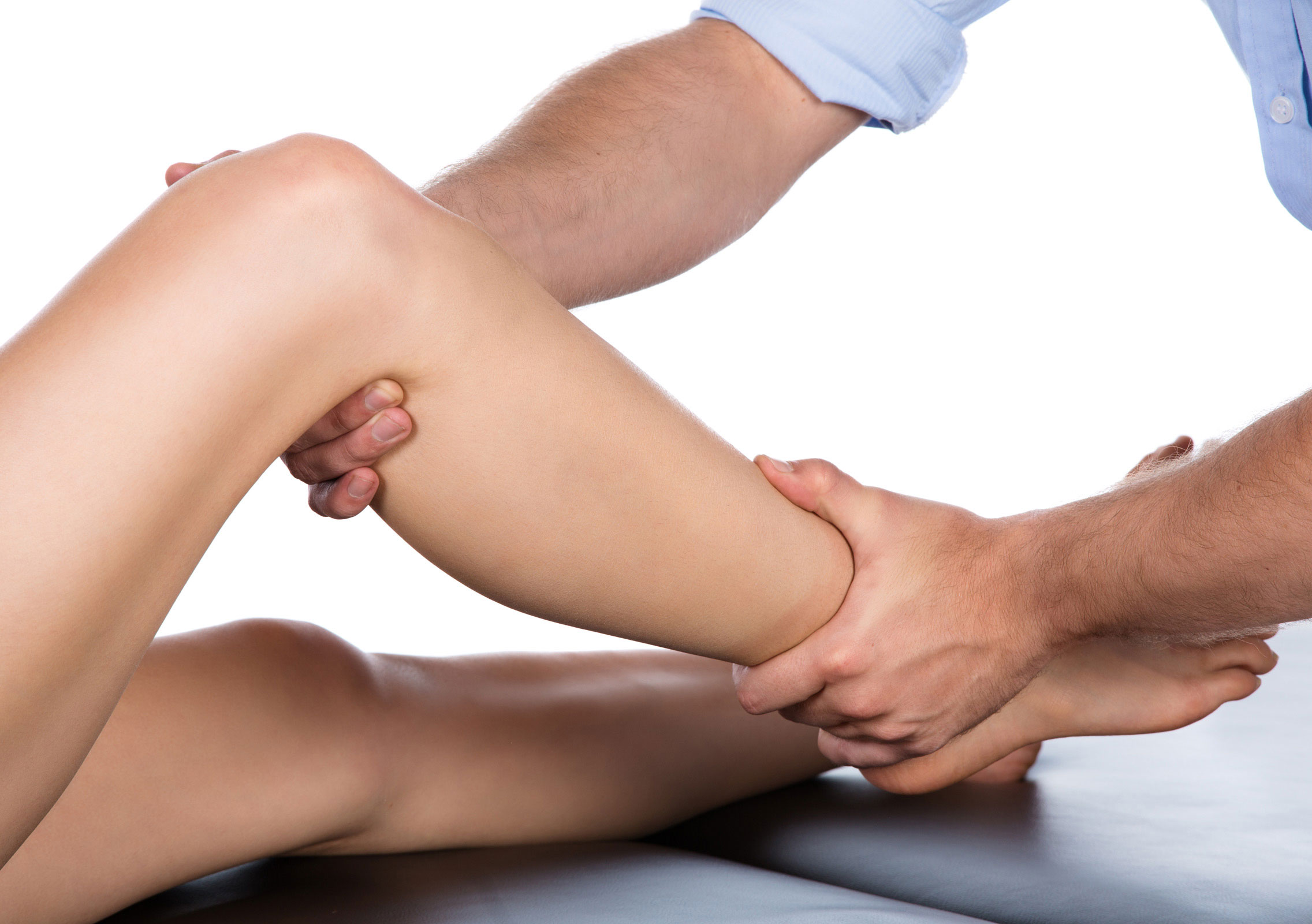
Formerly, arthritis was treated by rest and medication. Now, exercise is an essential part of treating arthritis. Healthy muscles, moving joints and good flexibility are essential but rest also helps reduce inflammation. There must be a balance between exercise and rest.

1. Avoid foods that acidify your body like caffeine, red meats, dairy products (but take calcium with vitamin D). Avoid saturated fat, salt, refined sugar and tobacco.
2. Take foods rich in Omega-3: fish obviously or omega-3 supplements.
3. Take chondroitin sulfate for your cartilage.
4. Regular ice applications for 10 minutes at least three times in a row (unless you are suffering from vascular disease).
5. Do not carry heavy loads, get someone to help.
6. Pay attention to your weight, excessive weight will accelerate the degeneration of your cartilage.
7. Exercise. No need to train for a marathon, a short walk taken regularly will take you far.


Sources:1.Questions and Answers about Arthritis and Rheumatic Diseases. National Institute of Arthritis and Musculoskeletal and Skin Diseases. February 2002. Available from http://www.niams.nih.gov/hi/topics/arthritis/artrheu.htm.2.Handout on Health: Rheumatoid Arthritis. National Institute of Arthritis and Musculoskeletal and Skin Diseases. Jan. 1998, revised Nov. 1999. Available from http://www.niams.nih.gov/hi/topics/arthritis/rahandout.htm.3.Questions and Answers about Arthritis and Exercise. National Institute of Arthritis and Musculoskeletal and Skin Diseases. May 2001. Available from http://www.niams.nih.gov/hi/topics/arthritis/arthexfs.htm.4.Fortin Paul R., et al. Validation of a meta-analysis: the effects of fish oil in rheumatoid arthritis. J Clin Epidemiol, Vol. 48, 1995, pp. 1379-90.5.Navarro Elisabet, et al. Abnormal fatty acid pattern in rheumatoid arthritis – A rationale for treatment with marine and botanical lipids. J Rheum, Vol. 27, February 2000, pp. 298-303.
© 2026 Clinique Dr Montagne, Chiropraticien Montréal

*Includes: