

Simple ways to prevent osteoarthritis
Dr. Eric Montagne September 21, 2017 Uncategorized 0If you are afraid of having osteoarthritis, you are right. Contrary to popular beliefs, osteoarthritis affects not only those who grow older. Of course, they are more vulnerable, but everyone can suffer. Osteoarthritis poisons the lives of half of people over 65 in industrialized countries: it is the most common joint problem and the leading cause of disability in the elderly.
If you are between 45 and 64, you have a 30% risk of getting it. Given the troubles and pains that this disease causes, for years or decades, it seems essential to worry now to prevent the onset of osteoarthritis, especially if you have one of the following predispositions :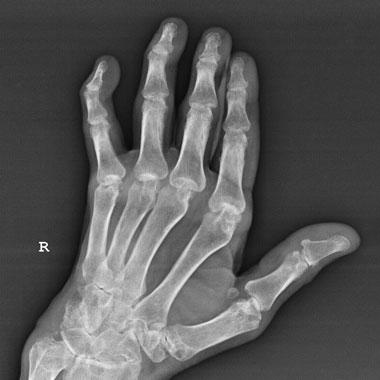
- overweight
- joint injuries
- heredity
- gender(women have more osteoarthritis than men)
- misalignment of the bones (bowed legs or knocked knees)
So here’s what you need to know about osteoarthritis :
Osteoarthritis is not caused by cartilage wear
It is often thought that osteoarthritis is caused by the wear and tear of the cartilage at the junction point between the bones. By rubbing against each other, the two surfaces of cartilage would eventually erode. Here’s how things really go :
The cartilage is a thin layer that covers the tip of the bones and acts as a “tire” for the joint. Its firm and elastic surface is very smooth. The cartilage is also soaked with synovia. This synovium is so effective as a lubricant, that the cartilage glides easily on the adjacent cartilage even better than on ice.
When you have osteoarthritis, your cartilage thins and then disappears. But it is not because of wear. On the contrary: since the cartilage is not irrigated by blood vessels, its only way of getting nutrients to renew itself is that the synovium penetrates and circulates there,it is in the synovia that “food” for the cartilage-producing cells is. This occurs only if the joint is in movement.
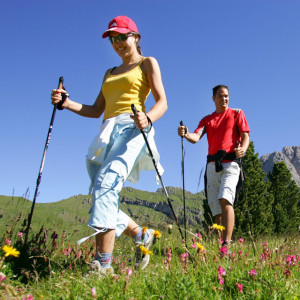
So the more you move, the more you use your joints, the better your cartilage is irrigated and can renew itself! It is the miracle of the cartilage, which wear only when not in use.
Thus, often the athlete who suffers from osteoarthritis accuses the sport that he did earlier whereas the real culprit is in fact the decade of recent inactivity.
Beware of “glycation”
Another interesting link about osteoarthritis is the effects of “glycation” to trigger cartilage degeneration and inflammation in the joint.
“Glycation” is the phenomenon in which glucose irreversibly binds to the proteins that make up your tissues, which can prevent these proteins from functioning normally.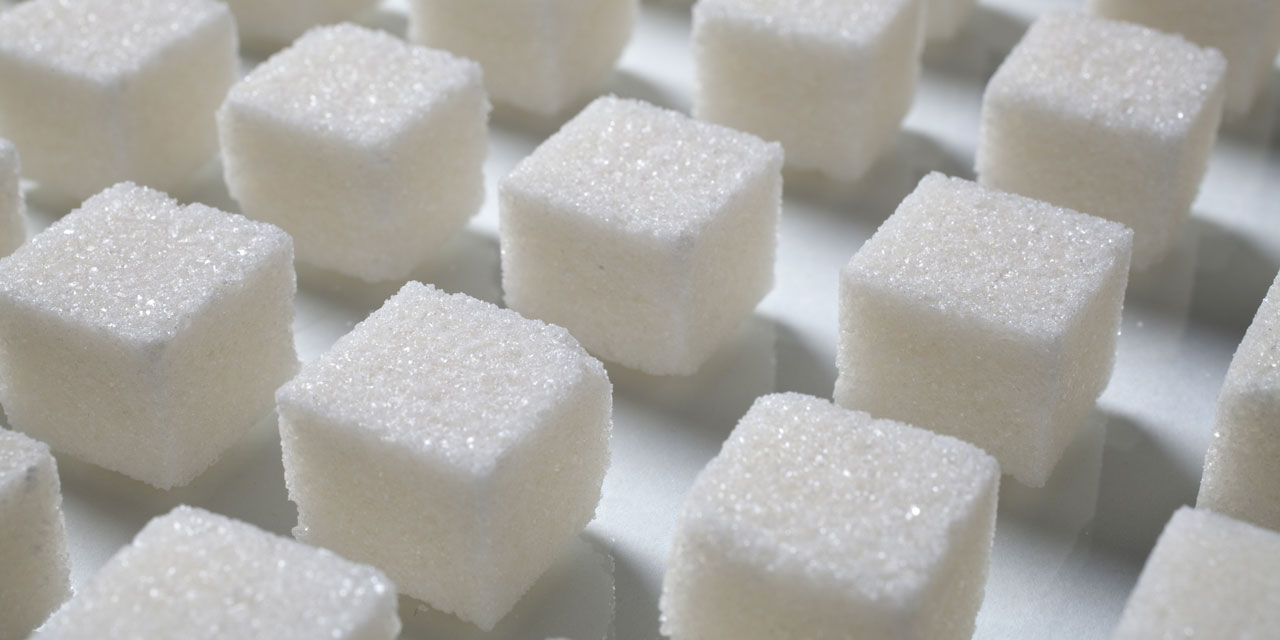
“Glycated” proteins are formed proportionally to the amount of glucose in your tissues, which in turn depends on how you react to insulin. It is also in your diet: it is the “grilled” so delicious potatoes sautéed, fries, the skin of roasted chicken, ribs of lamb with the barbecue …
This is why these cooking methods are unfortunately not recommended if you want to live long and especially healthy.
This theory is supported by the fact that there is a correlation between the severity of osteoarthritis and the high level of glycated proteins in the cartilage.
Avoid sugars and barbecue meals ….
Osteoarthritis and vertebral subluxation
The presence of subluxation (misalignment or poor movement of a joint or spine) can cause long-term osteoarthritis. Subluxation will cause poor coordination between the nervous, muscular and articular systems, which can cause pain, muscle tension and joint stiffness. Subluxation will tend to favor the progression of the degeneration of the region affected by osteoarthritis. The stress of the joint increases as the cartilage disappears, causing pain. Your chiropractor will help you relieve your pain.

Do not hesitate consult with your chiropractor. Following a questionnaire, a physical examination and a radiological assessment, he will be able to determine if you are suffering from osteoarthritis.
Consult your chiropractor

” For a healthier world “
Sources:Kornaat PR, Sharma R, van der Geest RJ et al. Positive association between increased popliteal artery vessel wall thickness and generalized osteoarthritis: is OA also part of the metabolic syndrome? Skeletal Radiol 2009; 38(12): 1147-1151. Conaghan PG, Vanharanta H, Dieppe PA. Is progressive osteoarthritis an atheromatous vascular disease? Ann Rheum Dis 2005; 64(11): 1539-1541. Cheras PA, Whitaker AN, Blackwell EA et al. Hypercoagulability and hypofibrinolysis in primary osteoarthritis. Clin Orthop Relat Res 1997; (334): 57-67. Findlay DM. Vascular pathology and osteoarthritis. Rheumatology 2007; 46(12): 1763-1768. Williams FM, Skinner J, Spector TD et al. Dietary garlic and hip osteoarthritis: evidence of a protective effect and putative mechanism of action. BMC Musculoskelet Disord 2010; 11: 280. DeGroot J, Verzijl N, Wenting-van Wijk MJ et al. Accumulation of advanced glycation end products as a molecular mechanism for aging as a risk factor in osteoarthritis. Arthritis Rheum 2004; 50(4): 1207-1215. Steenvoorden MM, Huizinga TWJ, Verzijl N et al. Activation of receptor for advanced glycation end products in osteoarthritis leads to increased stimulation of chondrocytes and synoviocytes. Arthritis Rheum 2006; 54(1): 253-263 13. Uribarri J, Woodruff S, Goodman S et al. Advanced glycation end products in foods and a practical guide to their reduction in the diet. J Am Diet Assoc 2010; 110(6): 911-916.e12


