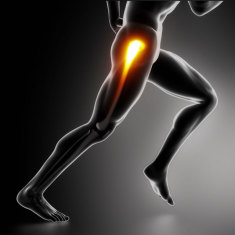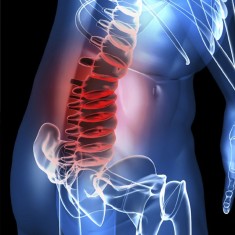
A pregnancy is an important period of postural, hormonal and physiological changes. As the fetus grows, your low back curve (lumbar lordosis) is accentuated. The size and weight of the fetus, like yours, is changing rapidly. Your chest is heavy. All this causes localized pain in the pelvis and back
As many women can attest, the muscular tensions of pregnancy are real. The average weight gain of 20 to 30 pounds (9 to 13 kg), combined with the increased stress placed on the body by the baby, can cause discomfort. Studies have shown that nearly half of all pregnant women will develop low back pain at some point during their pregnancy (1-3). This is especially true in late pregnancy, when the baby’s head rests on the back, legs and buttocks, irritating the sciatic nerve.

During pregnancy, the center of gravity begins almost immediately to move forward of the pelvis. As the baby grows, the weight moves more and more forward, and the curvature of the lower back increases, causing additional pressure on the intervertebral discs. In contrast, the normal curvature of the vertebral column at the dorsal level also increases.
In conjunction with these changes, hormones specific to pregnancy result in loosening of ligaments attached to pelvic bones. These natural changes designed to adapt to the baby’s growth can lead to postural imbalances.
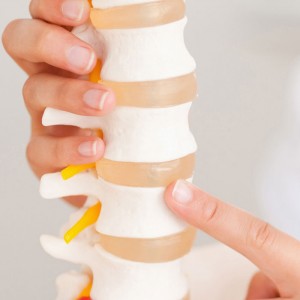 If you experience pain, something is not working properly. The cause must be discovered and corrected. For your well being, but also for the future baby well being.
As the fetus develops, the uterus grows. As long as the pelvis is balanced, the ligaments connected to the uterus keep it in suspension. If an imbalance develops, it then generates abnormal tensions on these ligaments, creating intra-uterine constraints. These constraints limit the space available for the developing fetus, which can affect optimal development, prevent the baby from turning around, or cause other problems, such as infant torticollis.
Chiropractic care during pregnancy is therefore a recommended prenatal choice. They help to relieve or prevent many physical problems that the future mother or even her baby may encounter. Specific adjustments eliminate tensions in the vertebral column, restore pelvic balance, reduce intrauterine tensions, thus increasing comfort while while facilitating everyday life.
By working accurately on the pelvis and spine, the chiropractor not only restores balance during pregnancy, he also creates a healthy organic environment that greatly facilitates childbirth. Many mothers can testify that they have had a more comfortable and shorter delivery due to the chiropractic care received during pregnancy.
1- Proper exercises during pregnancy can help to strengthen the musculature and avoid discomfort. Exercise at least three times a week, stretch gently before and after exercise. If you were not active before your pregnancy, consult your chiropractor before starting.
2- Walking, swimming and stationary cycling are relatively safe cardio-vascular exercises for pregnant women because they do not involve impacts or twisting motion
3- Stop your exercise routine immediately if you notice unusual symptoms, such as vaginal bleeding, dizziness, nausea, weakness, blurred vision, or heart palpitations.
4- Sleep on the side with a pillow between your knees to relieve the pressure on the bottom of the  back. A full-length pillow “body pillows” can be useful. Choose mainly your the left side to allow good blood flow and allow your kidneys to remove waste from your body.
5- If you have to sit in front of a computer for long hours, ergonomically configure your workstation. Position the computer screen at eye level, use a small footrest to reduce the pressure on your legs. Take regular breaks every 30 minutes, take a small walk around your workstation.
6- Eat small meals or snacks every four or five hours, rather than three large meals, to help you control nausea and your growing hunger.
Giving life is a great experience for women, but is also extraordinary demanding on your organism. Pregnancy in particular imposes significant increasing stress on the spine and the pelvis region months after months, due to the increase in weight and the postural changes happening Consult your chiropractor for your health and well-being, yours and your baby’s health.

Sources:1. Östgaard HC, et al. Prevalence of Back Pain in Pregnancy. Spine 1991;16:549-52. .2. Berg G, et al. Low back pain during pregnancy. Obstet Gynecol 1988;71:71-5. .3. Mantle MJ, et al. Backache in pregnancy. Rheumatology Rehabilitation 1977;16:95-101. .4. Association chiropratique du Québec, Canadian Chiropractic Association, American Chiropractic Association, Canadian memorial Chiropractic College, Association Chiropratique Suisse.
© 2026 Clinique Dr Montagne, Chiropraticien Montréal

*Includes: